
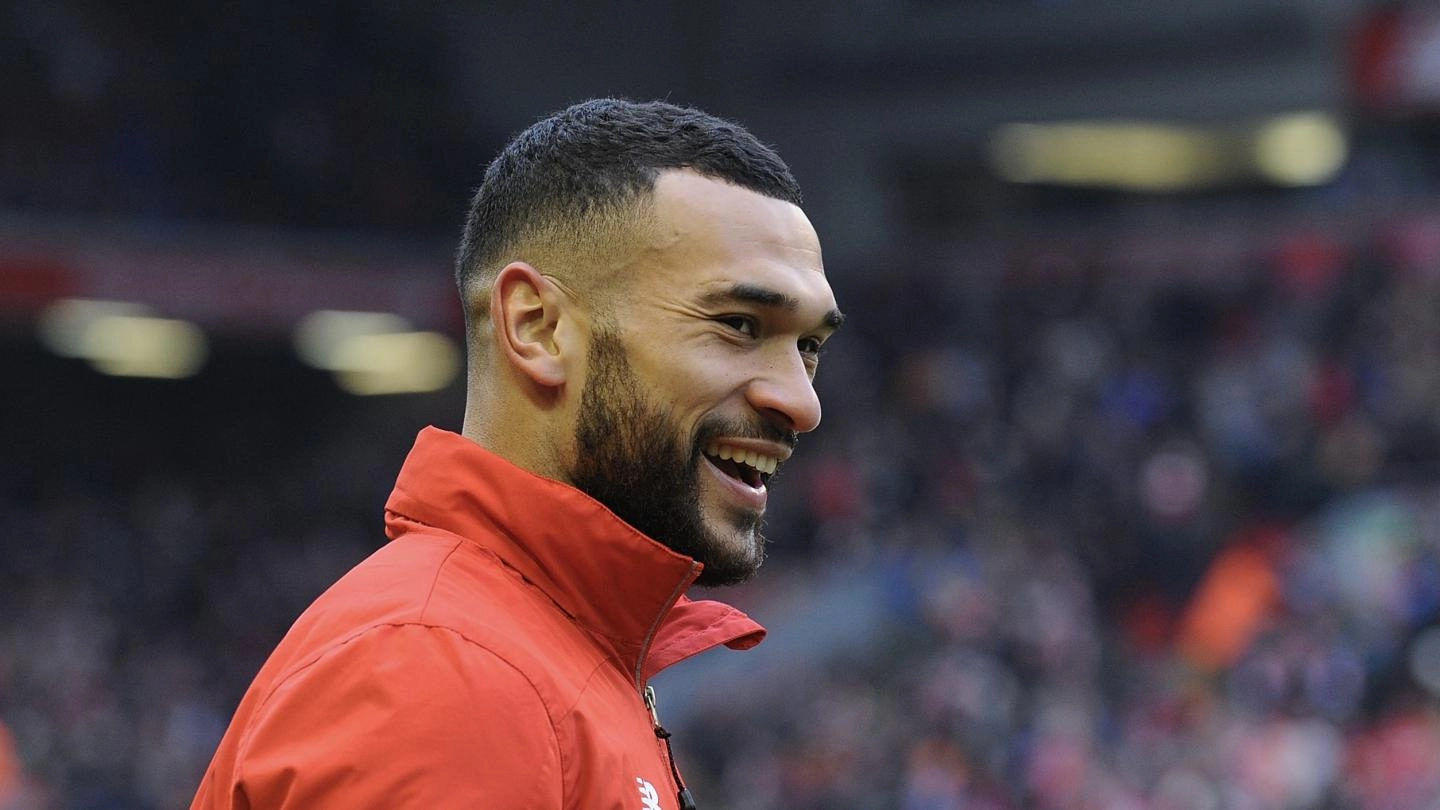
Steven Caulker has announced his retirement from professional football at age 33, bringing to a close a career that traversed seventeen clubs across multiple countries and epitomized both the opportunities and challenges inherent in modern football. The former England international’s decision to hang up his boots marks the end of a journey that, in his own words, has been “a rollercoaster, to say the least,” encompassing triumph and adversity in measures that tested his resilience and ultimately shaped his character.
A Promising Beginning
Caulker’s football story began in Tottenham Hotspur’s youth system, where he developed the defensive qualities that would eventually earn him international recognition. His emergence through Spurs’ academy during the late 2000s coincided with a period when English football was increasingly focused on developing homegrown talent, and Caulker represented the type of physically imposing, technically capable center-back that clubs sought to nurture.
His progression through Tottenham’s ranks included successful loan spells that provided the competitive experience necessary for professional development. These temporary moves, a common pathway for young players seeking first-team football, allowed Caulker to test himself against senior opposition while remaining part of Tottenham’s long-term planning. His performances during these loan periods demonstrated sufficient quality to earn a full England cap, representing his country in a friendly against Sweden in November 2012 while still establishing himself at club level.
That international recognition at age 20 suggested a player destined for sustained success at the highest level. England caps are not distributed lightly, particularly to young defenders still developing their craft, and Caulker’s selection indicated that national team management recognized qualities worthy of international football. The trajectory appeared clear: continued development at club level would lead to regular international involvement and a career spent competing in elite competitions.
Steven Caulker’s The Liverpool Interlude
Caulker’s brief association with Liverpool came during January 2016, when he joined on loan from Queens Park Rangers. The move represented an opportunity to work under Jürgen Klopp, who had arrived at Anfield just months earlier and was beginning the transformation that would eventually restore Liverpool to English and European football’s summit. For Caulker, the loan offered a chance to prove himself at a club with genuine ambitions and resources.
His Liverpool debut came as a substitute against Arsenal at Anfield, a fixture that carries particular significance given the historical rivalry between the clubs. While his appearance was brief, it represented fulfillment of a goal that most professional footballers harbor: to play for one of English football’s most storied institutions, in front of supporters whose passion and loyalty are renowned worldwide.
Caulker made three further appearances for Liverpool during his loan spell, though he struggled to establish himself as a regular selection. The competition for defensive positions at a club of Liverpool’s stature is inevitably intense, and Klopp was simultaneously evaluating his inherited squad while planning for future recruitment. Caulker’s temporary status meant he was always unlikely to become central to long-term planning, and his loan concluded without being made permanent.
While his Liverpool experience was brief and ultimately unsuccessful in terms of establishing himself at the club, it represented an important chapter in his career. The opportunity to train and compete alongside elite players, to experience the demands and expectations at a club of Liverpool’s magnitude, and to work under a manager of Klopp’s quality provided valuable experience even if it didn’t result in long-term employment.
A Journeyman’s Path

The breadth of Caulker’s career is reflected in the statistic that he represented seventeen different clubs. This number places him firmly in the category of football journeymen, players whose careers are characterized by frequent moves rather than extended tenures at individual clubs. While this path lacks the narrative simplicity of one-club careers or sustained periods of stability, it demonstrates adaptability, resilience, and continued employability across different contexts and levels of competition.
Caulker’s club odyssey took him across various tiers of English football and internationally, experiencing different tactical approaches, management styles, and competitive environments. Each move represented a fresh start, an opportunity to prove himself in new circumstances, and a challenge to adapt to unfamiliar teammates, systems, and expectations. The ability to repeatedly integrate into new squads and contribute effectively speaks to professional qualities that statistics alone cannot capture.
His international career also took an unconventional path, representing both England and Sierra Leone. After his initial England cap in 2012, Caulker later switched international allegiance to Sierra Leone, the country of his father’s birth. This decision, made possible under FIFA eligibility rules that allow players to represent nations through ancestral qualification, provided him with continued international football opportunities while connecting with his African heritage.
Personal Challenges and Growth
Caulker’s reference to experiencing “both sides of the coin” in his retirement announcement alludes to challenges that extended beyond the pitch. He has spoken publicly about mental health struggles and personal difficulties during his career, demonstrating courage in discussing issues that many professional athletes face but few acknowledge openly. His willingness to address these challenges has contributed to broader conversations about mental health in professional sports.
The demands of professional football, the pressure of public scrutiny, the instability of frequent moves, and the psychological impact of setbacks can affect players profoundly. Caulker’s acknowledgment that these experiences “helped me grow as a person” suggests he has found perspective and personal development through adversity. This growth, while painful in its achievement, may ultimately prove more valuable than any trophy or accolade his playing career might have produced.
His retirement statement’s emphasis on gratitude rather than regret or bitterness demonstrates emotional maturity and acceptance of his career’s trajectory. By thanking family, friends, coaches, and fans who supported him, Caulker acknowledges the network of relationships that sustained him through difficult periods. This recognition of others’ contributions reflects an understanding that professional football, despite being an individual’s career, depends fundamentally on collective support.
Transition to Coaching
Caulker’s announcement that he will “focus full-time on coaching” indicates that his retirement from playing represents a transition rather than a departure from football entirely. His stated intention to use his experiences to “help guide the next generation” suggests he has identified value in the lessons his career has taught, even the painful ones, and wishes to share this accumulated wisdom with young players beginning their own journeys.
This transition to coaching is increasingly common among retired players, who recognize that their knowledge, experience, and understanding of football’s demands can benefit others. Caulker’s varied career path, encompassing different clubs, levels, and challenges, provides a rich repository of experiences from which young players might learn. His openness about personal struggles may prove particularly valuable in helping young players navigate the psychological challenges that accompany professional careers.
The coaching pathway also offers Caulker an opportunity to remain involved in the sport that has defined his adult life while operating in a role that may better suit his current life stage and personal circumstances. Coaching allows former players to contribute to football without the physical demands and public scrutiny that characterize playing careers, providing a sustainable long-term relationship with the sport.
Reflecting on a Complex Career
Steven Caulker’s retirement invites reflection on what constitutes a successful football career. By conventional measures focusing on trophies won, elite club tenures, and sustained international recognition, his career might be judged as unfulfilled potential. The early promise suggested by his England cap at age 20 was not realized through subsequent achievements at the highest level.
However, such assessment would overlook the complexity of football careers and the multiple ways success might be defined. Caulker played professionally for seventeen years across seventeen clubs, earning a living from football throughout his twenties and into his thirties. He represented his country at international level for both England and Sierra Leone. He experienced the privilege of playing for Liverpool, however briefly, and worked under notable managers including Klopp. He overcame personal challenges while maintaining professional employment in an industry where careers are frequently short and brutally terminated.
Perhaps most significantly, Caulker emerges from his playing career with perspective, gratitude, and determination to contribute positively to football’s future through coaching. These outcomes, while different from those imagined when he earned his England cap at 20, represent genuine achievements that deserve recognition. His journey, with all its complications and detours, exemplifies the reality that most professional football careers follow non-linear paths characterized by both success and setback.
As Steven Caulker begins his coaching career, he carries with him experiences that encompass football’s full spectrum. The rollercoaster he references has taken him to heights and depths that few outside professional football can fully appreciate. His ability to reflect on this journey with gratitude and to channel his experiences toward helping others suggests that his most important contributions to football may lie ahead, shaping young players who will benefit from his hard-won wisdom.
🔴Find the Latest News on Player Ratings | Transfers | Prematch | Postmatch
Thank you for your continued support, and let’s cheer Liverpool on to success in the upcoming match. Your thoughts are always welcome in the comments section. For further insights, you may explore the official Liverpool FC website by clicking here.
YNWA (You’ll Never Walk Alone)!
The Liverpool FC Times Team
LiverpoolFCTimes.com