
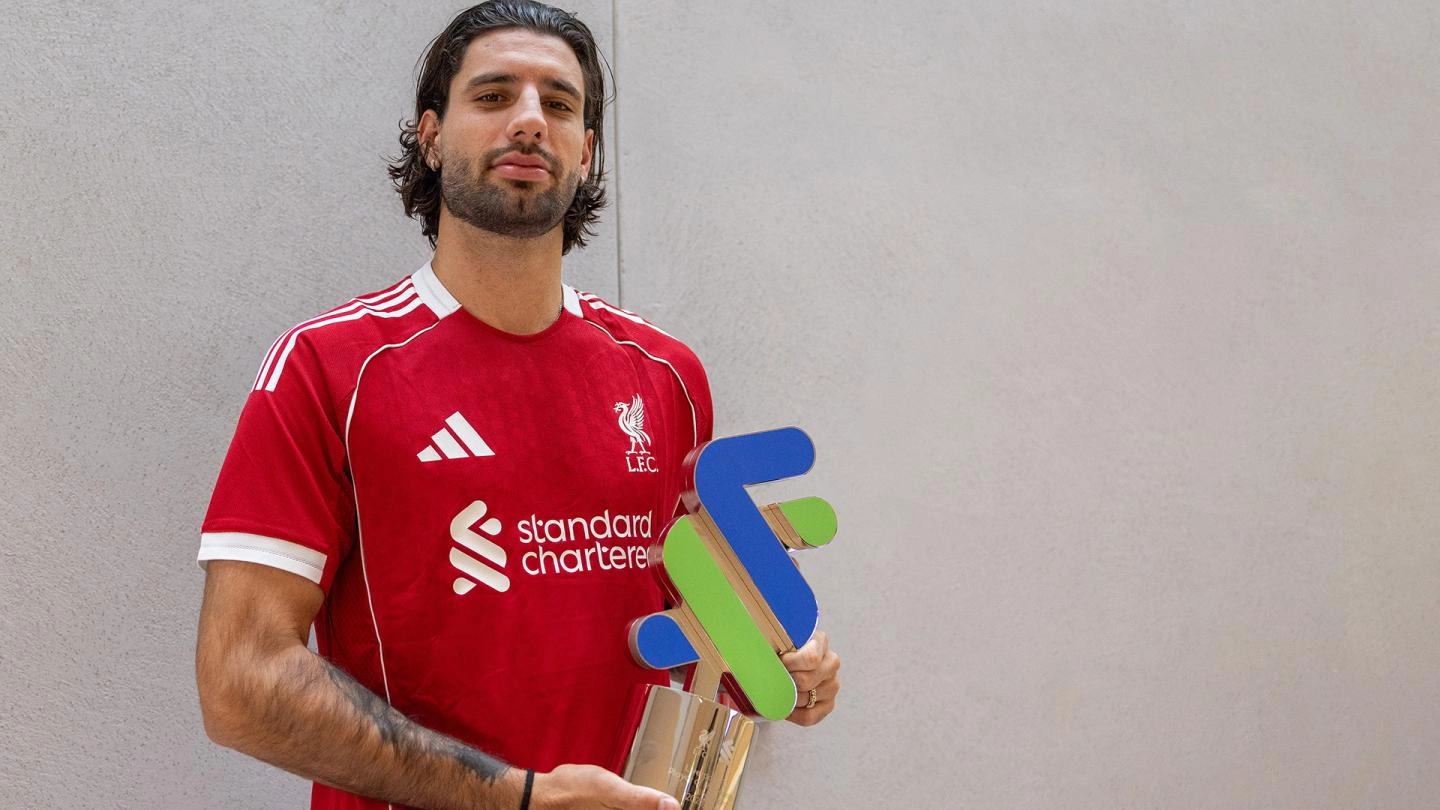
Dominik Szoboszlai’s post-match interview following Liverpool’s 3-3 draw at Leeds United provided a rare glimpse into the mental state of a squad grappling with their inability to close out matches. The Hungarian midfielder, who had seemingly secured victory with his 80th-minute goal, spoke with remarkable candor about complacency, accountability, and the soul-searching required as Liverpool’s title defense continues to unravel.
The Moment of Complacency
Szoboszlai’s opening assessment cut straight to the heart of Liverpool’s problems with brutal honesty. “I don’t know what happened after 2-0, I think we thought that the game is over,” he admitted, identifying the precise moment when Liverpool’s concentration lapsed. This confession of complacency at 2-0 represents a damning self-assessment from a player who has been integral to Liverpool’s midfield this season.
The midfielder’s acknowledgment that the team had specifically discussed not underestimating their opponents before kickoff makes the subsequent collapse even more difficult to comprehend. Liverpool entered the match fully aware of Leeds’ threat, having prepared mentally for the kind of direct, aggressive approach that has troubled them throughout the season. Yet despite this preparation and awareness, they still allowed themselves to believe the contest was decided when leading by two goals early in the second half.
This admission speaks to a deeper issue within Liverpool’s mentality. Professional footballers at this level understand intellectually that two-goal leads can evaporate quickly, particularly in the intense environment of the Premier League. However, Szoboszlai’s words suggest that intellectual understanding has not translated into sustained concentration and discipline on the pitch. The gap between knowing what is required and actually executing it consistently has become Liverpool’s defining characteristic this season.
The Momentum Shift
Szoboszlai identified the VAR-awarded penalty as the catalyst for Leeds’ comeback, noting that it provided them with momentum that carried through to Anton Stach’s equalizing goal. This observation reveals tactical awareness of how psychological factors influence match dynamics. The penalty decision not only reduced Liverpool’s lead but fundamentally altered the atmosphere inside Elland Road and the belief levels of both teams.
The midfielder’s analysis that “maybe after the penalty they just had their momentum, scored the 2-2” demonstrates understanding of football’s intangible elements. Momentum in football is difficult to quantify but undeniably real in its effects. Once Leeds sensed vulnerability in Liverpool’s defense and belief among their own players surged, the trajectory of the match shifted dramatically.
What makes this momentum shift particularly concerning for Liverpool is that it has become predictable. Opponents have recognized that Liverpool struggle to maintain concentration and defensive organization once their leads are threatened. This pattern has been exploited repeatedly, with teams showing increased belief and intensity the moment they breach Liverpool’s defense even once.
A Hollow Validation of Character

Szoboszlai attempted to extract a positive from Liverpool’s response to Leeds’ equalizer, praising the team’s mentality in scoring the 3-2 goal that briefly restored their lead. “We showed a good reaction, we showed our mentality. We wanted to come back because we knew we made a mistake,” he said, trying to frame the goal as evidence of character and resilience.
However, his concluding statement, “Nothing to say about the result,” betrayed the hollowness of this consolation. Liverpool’s ability to regain the lead after being pegged back demonstrated quality and spirit, but ultimately meant nothing when they immediately surrendered that advantage again. The pattern of response followed by collapse has become so ingrained that even moments of apparent character reveal themselves as insufficient.
This cycle of lead, concession, response, and further concession has defined Liverpool’s season. While Szoboszlai is correct that the team shows fight and quality in responding to setbacks, their inability to then maintain advantages renders these responses ultimately meaningless. Character is measured not just in the ability to respond to adversity but in the capacity to prevent adversity from recurring repeatedly.
The Dressing Room Mystery
When pressed about how this run of form is affecting the dressing room atmosphere, Szoboszlai demonstrated both professionalism and a hint of defensiveness. “What is in the dressing room stays in the dressing room and is not for the public,” he stated firmly, establishing a boundary between internal team matters and external scrutiny.
However, his subsequent comments provided insight despite this attempt at discretion. The midfielder’s emphasis on finding solutions and the need for individual self-reflection suggested that internal discussions have moved beyond tactical analysis toward more fundamental questions of personal accountability. His instruction that “everybody go home, just think and ask yourself if you did everything what is possible” indicates that Liverpool’s coaching staff and senior players recognize this crisis requires introspection rather than just tactical adjustments.
This call for self-examination represents a more mature response than seeking external explanations or making excuses. Szoboszlai acknowledges that solutions must come from within, that each player must honestly assess their own contribution and commitment. The conditional nature of his conclusion, “if the answer is yes, then we just keep going and the momentum is going to come,” leaves open the possibility that some players may not be giving everything required.
The Weight of the Crown
Perhaps Szoboszlai’s most revealing comments came when discussing whether the team that won the title last season still exists within this struggling squad. “It’s a good question. It’s hard to speak about it,” he began, his hesitation suggesting genuine uncertainty about the answer. His admission that he doesn’t even know Liverpool’s current league position illustrated how far they have fallen from the commanding dominance they displayed as champions.
The midfielder’s observation that “every team wants to win against the champions” acknowledged the target on Liverpool’s back but refused to accept this as an excuse. His pointed reminder that “we knew this before the season as well” rejected any notion that increased opponent motivation could justify Liverpool’s struggles. Champions should expect and overcome such challenges rather than being undermined by them.
This section of the interview revealed Szoboszlai’s frustration with the disconnect between expectations and reality. Liverpool prepared for the season knowing they would face motivated opponents eager to topple the champions. Yet this awareness has not translated into performances worthy of defending their title, leaving the midfielder grasping for explanations while refusing to make excuses.
A Call for Universal Accountability
Szoboszlai’s concluding remarks represented perhaps his most important message, a call for collective accountability that extended beyond the usual leadership group. “Everybody has to take responsibility, and not always the older guys or the guys who are here longer,” he insisted, directing this message both to teammates and perhaps to supporters and media who might look primarily to senior players for solutions.
This democratization of responsibility acknowledges that Liverpool’s problems cannot be solved by Van Dijk, Salah, and other established stars alone. Every squad member, regardless of age or tenure, must contribute to reversing this decline. Szoboszlai’s final instruction, “Everybody go and show on the pitch that you’re ready to fight for this badge,” framed the challenge in terms of proving commitment to Liverpool’s identity and standards.
The emphasis on showing rather than saying reflects understanding that words have become meaningless in Liverpool’s current predicament. Post-match interviews filled with promises of improvement and pledges of commitment carry little weight when performances continue to disappoint. Only sustained excellence on the pitch can begin to restore credibility and rebuild the confidence that has eroded through repeated failures to protect leads.
The Uncomfortable Truth
What emerges from Szoboszlai’s interview is an uncomfortable truth about Liverpool’s current state. This is not a team lacking quality, commitment, or awareness of their problems. They understand what is going wrong, they recognize the patterns that undermine them, and they possess the character to respond when setbacks occur. Yet none of this understanding translates into the sustained concentration and execution required to convert dominance into victories.
The midfielder’s honesty about thinking the game was over at 2-0 epitomizes this disconnect. Liverpool know intellectually that matches last 90-plus minutes and that concentration must be maintained throughout. But in the moment, with what appeared to be a comfortable lead, that knowledge evaporated, replaced by complacency that Leeds ruthlessly exploited.
Szoboszlai’s call for individual self-examination and collective accountability represents the right approach, but whether it will prove sufficient remains uncertain. Liverpool’s problems have persisted long enough that solutions may require more than introspection and renewed commitment. The pattern has become so ingrained that breaking it may demand tactical changes, personnel adjustments, or psychological interventions beyond what players can provide through self-motivation alone.
For now, Szoboszlai and his teammates face another week of reflection and preparation, hoping that this time the lessons will finally translate into sustained performance. The Hungarian’s raw honesty provides no comfort but does offer clarity about Liverpool’s predicament. They know what is wrong. The challenge is finally doing something about it.
🔴Find the Latest News on Player Ratings | Transfers | Prematch | Postmatch
Thank you for your continued support, and let’s cheer Liverpool on to success in the upcoming match. Your thoughts are always welcome in the comments section. For further insights, you may explore the official Liverpool FC website by clicking here.
YNWA (You’ll Never Walk Alone)!
The Liverpool FC Times Team
LiverpoolFCTimes.com