
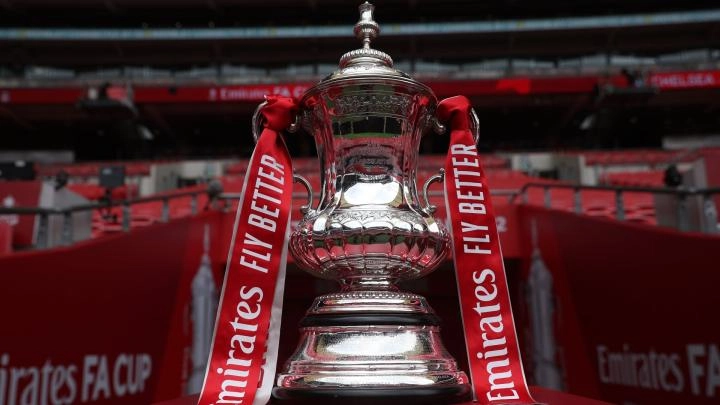
Monday night’s FA Cup third-round encounter between Liverpool and Barnsley at Anfield represents more than just another fixture in English football’s oldest knockout competition. The statistical narrative surrounding this match reveals fascinating historical patterns, cautionary tales from previous encounters, and encouraging trends that shape expectations as Liverpool seek to advance in their pursuit of a ninth FA Cup triumph.
A Complex Historical Relationship
The overall head-to-head record between Liverpool and Barnsley at Anfield presents a surprisingly competitive picture that defies the gulf in current status between Premier League giants and League One visitors. Across 11 meetings at L4, comprising 21 total encounters between the clubs, Liverpool have won just five matches while drawing four and losing twice. This relatively modest winning percentage for the home side demonstrates that Barnsley have historically proven capable of causing problems for Liverpool, refusing to accept underdog status meekly.
More concerning for Liverpool supporters is the recent trend within this historical relationship. The Reds have failed to win any of their last three home meetings with Barnsley, a sequence that includes one League Cup fixture and two FA Cup encounters. This winless run serves as a reminder that cup competitions create conditions where form books become less reliable and where determined lower-league opposition can exploit complacency or rotation-weakened lineups fielded by Premier League clubs.
The 2008 Cautionary Tale
The most recent Barnsley visit to Anfield in 2008 carries particular significance as a cautionary example of how cup competitions can produce unexpected outcomes. Despite Dirk Kuyt giving Liverpool a first-half lead, Barnsley rallied to secure a famous 2-1 victory that eliminated the Reds from that season’s FA Cup. This result stands as a warning against underestimating League One opposition regardless of the perceived quality gap between the teams.
The 2008 defeat illustrates several truths about cup football that remain relevant today. Lower-league teams approaching these fixtures with nothing to lose often play with freedom and fearlessness that can unsettle favorites burdened by expectation. The single-leg knockout format means that one poor performance, one moment of defensive lapse, or one inspired individual display from an opponent can end a team’s involvement in the competition regardless of their league standing.
For Liverpool players who might not have been born or were too young to remember that 2008 upset, the historical record serves as useful context about respecting opponents and maintaining focus regardless of league positions. Cup competitions demand consistent application of standards rather than assuming that class differences will automatically translate into comfortable victories.
Liverpool’s FA Cup Pedigree
Monday’s encounter will represent Liverpool’s 455th match in the FA Cup, a statistic that reflects the club’s long and storied relationship with English football’s most prestigious domestic knockout competition. Their record of 243 victories from these matches demonstrates sustained success across generations, establishing Liverpool among the competition’s most decorated participants.
The eight FA Cup triumphs Liverpool have secured place them among England’s most successful clubs in the competition’s history. Their most recent victory came in 2022 when they defeated Chelsea on penalties at Wembley following a goalless draw, a triumph that demonstrated their ability to succeed in the high-pressure environment of knockout football’s biggest occasions. This recent success provides current squad members with experience of what achieving FA Cup glory requires, knowledge that can prove invaluable as they navigate this season’s campaign.
The gap since their last FA Cup triumph means that for many current Liverpool players, winning the competition again represents an opportunity to add a trophy that is not yet part of their personal honors. While Champions League and Premier League titles might carry greater prestige in modern football, the FA Cup’s history and tradition ensure it remains a prize worth pursuing seriously.
Home Advantage in the Third Round
Liverpool’s record at Anfield in FA Cup third-round matches provides strong encouragement about their prospects of advancing past Barnsley. Not since 2010 have the Reds lost at home in this round, when Reading eliminated them in a replay. This 15-year run of avoiding third-round home defeats demonstrates consistent ability to handle the specific challenges these fixtures present, managing rotation, maintaining focus, and seeing off determined lower-league opposition.
The broader home record in third-round ties shows just one defeat at Anfield since 2018, when West Bromwich Albion caused an upset. Since that loss, Liverpool have won nine consecutive FA Cup matches at home, a streak that speaks to both quality and professional approach to these fixtures. This consistency suggests that current players and coaching staff understand the importance of treating these matches seriously while also managing squad rotation effectively.
The January 12 Factor
An intriguing statistical quirk emerges from Liverpool’s historical record on January 12, the date of Monday’s encounter. The Reds have won all 11 FA Cup matches previously played on this date, with the most recent coming in 1988 at Stoke City when Peter Beardsley scored the only goal. While superstitious observers might view this perfect record as an omen, the more rational interpretation recognizes that historical results on specific calendar dates have no causal relationship to future outcomes.
Nevertheless, such statistics contribute to the narrative and psychology surrounding matches. Players aware of this perfect January 12 record might draw confidence from the historical pattern, while Barnsley’s squad might view it as motivation to become the first team to spoil Liverpool’s record on this date. These psychological elements, while impossible to quantify, form part of cup football’s intangible qualities that can influence outcomes.
The fact that Liverpool and Barnsley previously met on January 12 in 1982 adds additional historical resonance to Monday’s fixture. That League Cup encounter ended goalless at Anfield before Liverpool won the replay 3-0 in Yorkshire, demonstrating that even when the home side doesn’t secure victory at the first attempt, quality eventually prevails across two legs.
Barnsley’s Route and Recent Form
Barnsley earned their place in Monday’s third round through victories over York City and Peterborough United, demonstrating sufficient quality to navigate the earlier rounds against fellow lower-league opposition. Their ability to win these qualifying matches shows they approach cup competitions seriously and possess the capability to trouble higher-division opponents when conditions align favorably.
However, their defensive record raises concerns about their capacity to withstand Liverpool’s attacking quality. Having kept just two clean sheets across their last 25 fixtures in all competitions, Barnsley clearly struggle to prevent opponents from scoring. This vulnerability suggests that if Liverpool apply appropriate intensity and quality in attacking phases, they should create numerous goal-scoring opportunities regardless of how well Barnsley defend.
This defensive fragility also indicates that Barnsley might need to score multiple goals to have realistic chances of causing an upset, as keeping Liverpool scoreless appears unlikely based on recent defensive performances. The challenge for Barnsley becomes whether they can simultaneously shore up defensive weaknesses while also generating sufficient attacking threat to score the goals necessary to compete.
Liverpool’s Third-Round Consistency
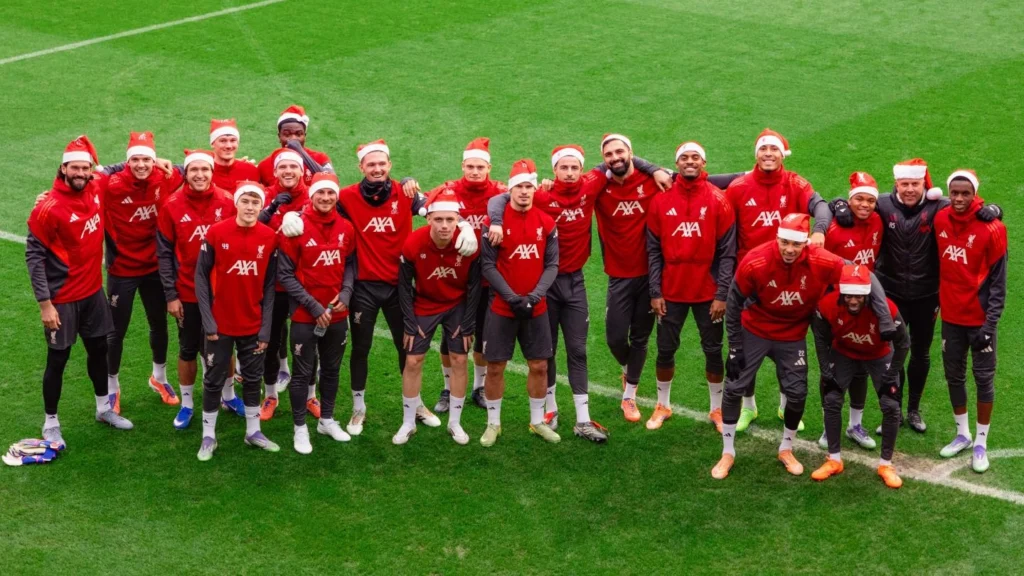
The statistic that Liverpool have lost just once at the FA Cup’s first hurdle in the last 14 seasons demonstrates remarkable consistency in navigating this round. The sole defeat came against Wolverhampton Wanderers in 2019, an exception that proves the rule of Liverpool’s general competence in handling third-round challenges. This record suggests systematic ability to balance squad rotation with maintaining sufficient quality to overcome lower-league opposition.
The pattern of facing lower-league opposition in consecutive seasons continues Monday, as Liverpool host Barnsley 12 months after welcoming Accrington Stanley to Anfield. Previous recent third-round matches against Exeter City in 2016 and Plymouth Argyle in 2017 established this trend of drawing lower-division opponents. While avoiding Premier League opposition might be viewed as fortunate draws, these matches carry their own challenges in maintaining focus and avoiding complacency.
Penalty Shootout Prowess
Liverpool’s perfect record in FA Cup penalty shootouts, winning all four they have contested in 1992, 2006, and 2022, provides reassurance should Monday’s match extend to that dramatic conclusion. This 100% success rate demonstrates mental strength and technical proficiency in the highest-pressure situations cup competitions create. Players who have experienced shootout success carry confidence into subsequent spot-kick scenarios, creating psychological advantages that can prove decisive.
However, both Liverpool and Barnsley would prefer to avoid requiring penalties to determine Monday’s winner. Shootouts introduce randomness and pressure that can override quality differences, creating scenarios where any team can prevail regardless of performance over 90 or 120 minutes.
The Academy Connections
Two Barnsley players carry Liverpool connections that add personal subplots to Monday’s encounter. Adam Phillips spent eight years in Liverpool’s Academy, even appearing in a senior pre-season friendly in 2021 before his departure. Vimal Yoganathan similarly spent seven years developing in Liverpool’s youth system before joining Barnsley. Both players will approach this fixture with extra motivation to impress against their former club, seeking to demonstrate that Liverpool’s decision not to retain them represented a mistake.
These academy connections remind us that professional football’s pathway involves far more players passing through development systems than ultimately establishing top-level careers at their original clubs. Phillips and Yoganathan’s presence at Barnsley shows that failure to make the grade at Liverpool doesn’t preclude successful professional careers, just at different competitive levels.
The Path Ahead
As Liverpool prepare for Monday’s 7.45pm GMT kickoff, the statistical narrative combines encouraging trends with cautionary reminders about respecting opposition. Their strong home record in this round, perfect January 12 FA Cup record, and penalty shootout prowess suggest multiple reasons for confidence. However, Barnsley’s historical ability to trouble Liverpool at Anfield and the inherent unpredictability of knockout football demand professional focus and appropriate intensity from the opening whistle.
For Liverpool, Monday represents opportunity to maintain momentum in a competition where their last triumph came three years ago. For Barnsley, it offers a chance to create another memorable upset that would join the 2008 victory in the club’s folklore. Statistics inform expectations but don’t determine outcomes, and Monday evening will reveal whether historical patterns continue or whether cup football’s capacity for surprise produces another chapter in this fixture’s competitive history.Monday night’s FA Cup third-round encounter between Liverpool and Barnsley at Anfield represents more than just another fixture in English football’s oldest knockout competition. The statistical narrative surrounding this match reveals fascinating historical patterns, cautionary tales from previous encounters, and encouraging trends that shape expectations as Liverpool seek to advance in their pursuit of a ninth FA Cup triumph.
A Complex Historical Relationship
The overall head-to-head record between Liverpool and Barnsley at Anfield presents a surprisingly competitive picture that defies the gulf in current status between Premier League giants and League One visitors. Across 11 meetings at L4, comprising 21 total encounters between the clubs, Liverpool have won just five matches while drawing four and losing twice. This relatively modest winning percentage for the home side demonstrates that Barnsley have historically proven capable of causing problems for Liverpool, refusing to accept underdog status meekly.
More concerning for Liverpool supporters is the recent trend within this historical relationship. The Reds have failed to win any of their last three home meetings with Barnsley, a sequence that includes one League Cup fixture and two FA Cup encounters. This winless run serves as a reminder that cup competitions create conditions where form books become less reliable and where determined lower-league opposition can exploit complacency or rotation-weakened lineups fielded by Premier League clubs.
The 2008 Cautionary Tale
The most recent Barnsley visit to Anfield in 2008 carries particular significance as a cautionary example of how cup competitions can produce unexpected outcomes. Despite Dirk Kuyt giving Liverpool a first-half lead, Barnsley rallied to secure a famous 2-1 victory that eliminated the Reds from that season’s FA Cup. This result stands as a warning against underestimating League One opposition regardless of the perceived quality gap between the teams.
The 2008 defeat illustrates several truths about cup football that remain relevant today. Lower-league teams approaching these fixtures with nothing to lose often play with freedom and fearlessness that can unsettle favorites burdened by expectation. The single-leg knockout format means that one poor performance, one moment of defensive lapse, or one inspired individual display from an opponent can end a team’s involvement in the competition regardless of their league standing.
For Liverpool players who might not have been born or were too young to remember that 2008 upset, the historical record serves as useful context about respecting opponents and maintaining focus regardless of league positions. Cup competitions demand consistent application of standards rather than assuming that class differences will automatically translate into comfortable victories.
Liverpool’s FA Cup Pedigree
Monday’s encounter will represent Liverpool’s 455th match in the FA Cup, a statistic that reflects the club’s long and storied relationship with English football’s most prestigious domestic knockout competition. Their record of 243 victories from these matches demonstrates sustained success across generations, establishing Liverpool among the competition’s most decorated participants.
The eight FA Cup triumphs Liverpool have secured place them among England’s most successful clubs in the competition’s history. Their most recent victory came in 2022 when they defeated Chelsea on penalties at Wembley following a goalless draw, a triumph that demonstrated their ability to succeed in the high-pressure environment of knockout football’s biggest occasions. This recent success provides current squad members with experience of what achieving FA Cup glory requires, knowledge that can prove invaluable as they navigate this season’s campaign.
The gap since their last FA Cup triumph means that for many current Liverpool players, winning the competition again represents an opportunity to add a trophy that is not yet part of their personal honors. While Champions League and Premier League titles might carry greater prestige in modern football, the FA Cup’s history and tradition ensure it remains a prize worth pursuing seriously.
Home Advantage in the Third Round
Liverpool’s record at Anfield in FA Cup third-round matches provides strong encouragement about their prospects of advancing past Barnsley. Not since 2010 have the Reds lost at home in this round, when Reading eliminated them in a replay. This 15-year run of avoiding third-round home defeats demonstrates consistent ability to handle the specific challenges these fixtures present, managing rotation, maintaining focus, and seeing off determined lower-league opposition.
The broader home record in third-round ties shows just one defeat at Anfield since 2018, when West Bromwich Albion caused an upset. Since that loss, Liverpool have won nine consecutive FA Cup matches at home, a streak that speaks to both quality and professional approach to these fixtures. This consistency suggests that current players and coaching staff understand the importance of treating these matches seriously while also managing squad rotation effectively.
The January 12 Factor
An intriguing statistical quirk emerges from Liverpool’s historical record on January 12, the date of Monday’s encounter. The Reds have won all 11 FA Cup matches previously played on this date, with the most recent coming in 1988 at Stoke City when Peter Beardsley scored the only goal. While superstitious observers might view this perfect record as an omen, the more rational interpretation recognizes that historical results on specific calendar dates have no causal relationship to future outcomes.
Nevertheless, such statistics contribute to the narrative and psychology surrounding matches. Players aware of this perfect January 12 record might draw confidence from the historical pattern, while Barnsley’s squad might view it as motivation to become the first team to spoil Liverpool’s record on this date. These psychological elements, while impossible to quantify, form part of cup football’s intangible qualities that can influence outcomes.
The fact that Liverpool and Barnsley previously met on January 12 in 1982 adds additional historical resonance to Monday’s fixture. That League Cup encounter ended goalless at Anfield before Liverpool won the replay 3-0 in Yorkshire, demonstrating that even when the home side doesn’t secure victory at the first attempt, quality eventually prevails across two legs.
Barnsley’s Route and Recent Form
Barnsley earned their place in Monday’s third round through victories over York City and Peterborough United, demonstrating sufficient quality to navigate the earlier rounds against fellow lower-league opposition. Their ability to win these qualifying matches shows they approach cup competitions seriously and possess the capability to trouble higher-division opponents when conditions align favorably.
However, their defensive record raises concerns about their capacity to withstand Liverpool’s attacking quality. Having kept just two clean sheets across their last 25 fixtures in all competitions, Barnsley clearly struggle to prevent opponents from scoring. This vulnerability suggests that if Liverpool apply appropriate intensity and quality in attacking phases, they should create numerous goal-scoring opportunities regardless of how well Barnsley defend.
This defensive fragility also indicates that Barnsley might need to score multiple goals to have realistic chances of causing an upset, as keeping Liverpool scoreless appears unlikely based on recent defensive performances. The challenge for Barnsley becomes whether they can simultaneously shore up defensive weaknesses while also generating sufficient attacking threat to score the goals necessary to compete.
Liverpool’s Third-Round Consistency
The statistic that Liverpool have lost just once at the FA Cup’s first hurdle in the last 14 seasons demonstrates remarkable consistency in navigating this round. The sole defeat came against Wolverhampton Wanderers in 2019, an exception that proves the rule of Liverpool’s general competence in handling third-round challenges. This record suggests systematic ability to balance squad rotation with maintaining sufficient quality to overcome lower-league opposition.
The pattern of facing lower-league opposition in consecutive seasons continues Monday, as Liverpool host Barnsley 12 months after welcoming Accrington Stanley to Anfield. Previous recent third-round matches against Exeter City in 2016 and Plymouth Argyle in 2017 established this trend of drawing lower-division opponents. While avoiding Premier League opposition might be viewed as fortunate draws, these matches carry their own challenges in maintaining focus and avoiding complacency.
Penalty Shootout Prowess
Liverpool’s perfect record in FA Cup penalty shootouts, winning all four they have contested in 1992, 2006, and 2022, provides reassurance should Monday’s match extend to that dramatic conclusion. This 100% success rate demonstrates mental strength and technical proficiency in the highest-pressure situations cup competitions create. Players who have experienced shootout success carry confidence into subsequent spot-kick scenarios, creating psychological advantages that can prove decisive.
However, both Liverpool and Barnsley would prefer to avoid requiring penalties to determine Monday’s winner. Shootouts introduce randomness and pressure that can override quality differences, creating scenarios where any team can prevail regardless of performance over 90 or 120 minutes.
The Academy Connections
Two Barnsley players carry Liverpool connections that add personal subplots to Monday’s encounter. Adam Phillips spent eight years in Liverpool’s Academy, even appearing in a senior pre-season friendly in 2021 before his departure. Vimal Yoganathan similarly spent seven years developing in Liverpool’s youth system before joining Barnsley. Both players will approach this fixture with extra motivation to impress against their former club, seeking to demonstrate that Liverpool’s decision not to retain them represented a mistake.
These academy connections remind us that professional football’s pathway involves far more players passing through development systems than ultimately establishing top-level careers at their original clubs. Phillips and Yoganathan’s presence at Barnsley shows that failure to make the grade at Liverpool doesn’t preclude successful professional careers, just at different competitive levels.
The Path Ahead
As Liverpool prepare for Monday’s 7.45pm GMT kickoff, the statistical narrative combines encouraging trends with cautionary reminders about respecting opposition. Their strong home record in this round, perfect January 12 FA Cup record, and penalty shootout prowess suggest multiple reasons for confidence. However, Barnsley’s historical ability to trouble Liverpool at Anfield and the inherent unpredictability of knockout football demand professional focus and appropriate intensity from the opening whistle.
For Liverpool, Monday represents opportunity to maintain momentum in a competition where their last triumph came three years ago. For Barnsley, it offers a chance to create another memorable upset that would join the 2008 victory in the club’s folklore. Statistics inform expectations but don’t determine outcomes, and Monday evening will reveal whether historical patterns continue or whether cup football’s capacity for surprise produces another chapter in this fixture’s competitive history.
🔴Find the Latest News on Player Ratings | Transfers | Prematch | Postmatch
Thank you for your continued support, and let’s cheer Liverpool on to success in the upcoming match. Your thoughts are always welcome in the comments section. For further insights, you may explore the official Liverpool FC website by clicking here.
YNWA (You’ll Never Walk Alone)!
The Liverpool FC Times Team
LiverpoolFCTimes.com