
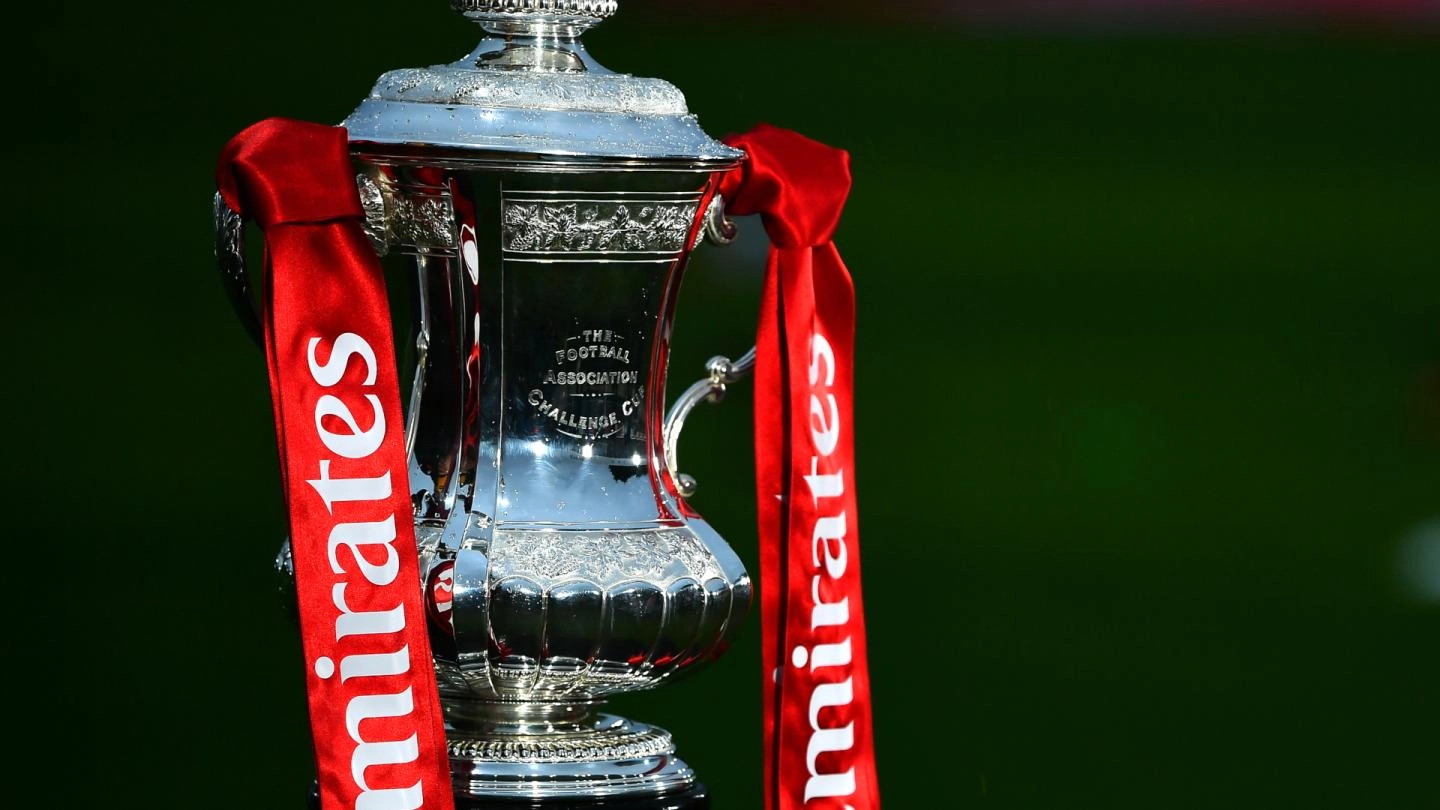
Liverpool’s reward for their impressive 3-0 victory over Brighton & Hove Albion at Anfield on Saturday night is a fifth-round FA Cup tie away at Wolverhampton Wanderers, with the fixture scheduled across the weekend of March 7/8. Monday evening’s draw paired the two Premier League sides together, setting up a compelling encounter between teams that have already met in league competition this season.
The Draw and Its Significance
The fifth round represents the stage where FA Cup campaigns begin carrying genuine weight. With the competition reduced to just sixteen teams, every match carries elimination risk that concentrates minds regardless of league positions or recent form. Liverpool’s progression to this stage through victories over Barnsley and Brighton demonstrates their commitment to pursuing silverware in England’s oldest cup competition, and the Wolves assignment provides a stern test of whether that commitment can be sustained against fellow Premier League opposition.
Away fixtures in cup competitions carry specific challenges that home ties don’t replicate. Traveling to Molineux, where Wolves enjoy the atmospheric backing of passionate supporters, creates conditions where Liverpool must perform without the Anfield advantage that has proven so valuable during their home cup ties this season. The away environment demands mental resilience and tactical adaptability that cup runs ultimately require from teams with genuine trophy ambitions.
Historical Context Between the Clubs
Liverpool and Wolverhampton Wanderers share a long and storied history in English football, with both clubs among the founding members of the Football League in 1888. Their meetings across various competitions have produced memorable moments that supporters of both clubs recall with pride, creating the kind of historical backdrop that makes this draw particularly appealing to neutral observers.
In recent FA Cup history, Wolves eliminated Liverpool in a notable third-round tie in 2019, a result that demonstrated cup football’s capacity for upsets regardless of league positions or squad quality. That defeat remains a reference point for Liverpool supporters who understand that these fixtures cannot be approached with complacency, regardless of how convincingly the Reds might be performing in other competitions.
The clubs’ Premier League meetings this season have provided additional context for assessing what the fifth-round fixture might produce. Gary O’Neil’s Wolves have shown moments of quality throughout the campaign despite the results not always reflecting their competitive performances. Their capacity to organize defensively and threaten on the counter-attack creates tactical challenges that Arne Slot must prepare his team to overcome.
Liverpool’s FA Cup Journey
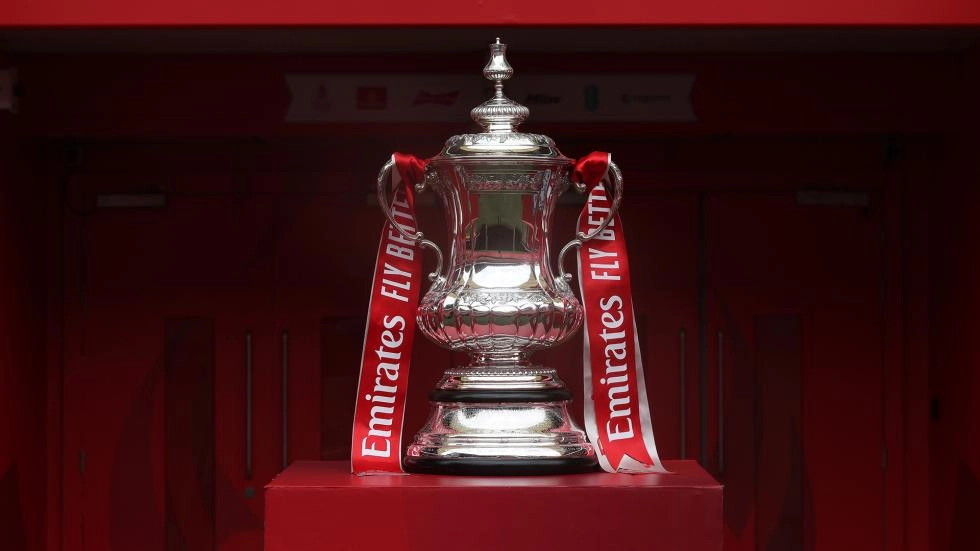
Liverpool’s path to the fifth round has demonstrated both their quality and their commitment to taking the competition seriously. The victory over Barnsley in the third round, while requiring patience and ultimately producing a comfortable 4-1 scoreline, highlighted the challenge of breaking down League One opposition motivated to cause an upset at Anfield. The manner of that victory, through four quality goals rather than fortunate circumstances, suggested Liverpool’s attacking quality would prove decisive over lower-division opponents.
The Brighton victory that earned Monday’s draw reward proved even more impressive given the context. Brighton’s underlying quality, acknowledged respectfully by Slot in his pre-match assessment, made their comprehensive defeat all the more encouraging for Liverpool supporters. The 3-0 scoreline and manner of the victory demonstrated that Liverpool can produce dominant performances against quality Premier League opposition when squad selection and tactical execution align effectively.
Wolves as Fifth-Round Opponents
Wolverhampton Wanderers present a fascinating tactical challenge for Liverpool’s coaching staff. O’Neil’s team has developed an organized defensive structure that makes them difficult to break down, while their counter-attacking capabilities mean Liverpool must maintain defensive discipline when in possession and during transitions. The balance between attacking ambition and defensive security becomes particularly important when facing opponents who can hurt teams that commit too many players forward simultaneously.
Molineux’s atmosphere, while not matching Anfield’s unique intensity, creates a genuine home advantage that has helped Wolves compete against stronger opponents throughout the season. Liverpool must prepare to handle the crowd’s influence on both their own performance and the officials’ decisions, managing the psychological elements of away cup football alongside the tactical and physical demands.
The March 7/8 scheduling provides Liverpool with several weeks to prepare specifically for this fixture while also navigating the Champions League knockout stages and Premier League matches that will continue arriving with relentless frequency. This preparation time allows Slot to develop detailed tactical plans and ensure key players are physically ready for what promises to be a demanding encounter.
Squad Considerations and Fitness Hopes
By the time March arrives, Liverpool’s injury situation may have improved significantly from the challenges that have complicated recent selection decisions. Conor Bradley’s return from knee surgery, Alexander Isak’s recovery from ankle surgery, and various other players returning from shorter-term injuries could provide Slot with substantially better options than currently available.
This potential improvement in squad depth could allow Slot to approach the Wolves fixture with greater tactical flexibility and selection quality than he has managed during the most challenging periods of the injury crisis. However, the unpredictable nature of football’s injury landscape means that planning based on anticipated returns carries inherent uncertainty.
The Broader FA Cup Ambition
Liverpool’s last FA Cup triumph came in 2022, when they defeated Chelsea on penalties at Wembley following a goalless draw. That victory, part of an extraordinary quadruple challenge that ultimately yielded League Cup and FA Cup successes alongside Champions League and Premier League near-misses, demonstrated Liverpool’s capacity for cup success when circumstances align favorably.
The eight FA Cup titles Liverpool have accumulated across their history place them among the competition’s most successful clubs, creating a tradition of cup success that current squads and managers inherit as both inspiration and responsibility. Slot’s first season in charge provides opportunity to add to this legacy, though the path through Wolves and potential subsequent rounds must be navigated successfully before Wembley dreams can be entertained.
Looking Ahead
As Liverpool prepare for the March 7/8 fifth-round fixture, the immediate focus naturally remains on upcoming Premier League and Champions League commitments that demand consistent attention and performance. However, the knowledge that a winnable FA Cup tie awaits provides motivation and context for the period between now and the Wolves encounter.
Cup runs generate momentum and collective belief that can positively influence performances in other competitions, creating a virtuous cycle where success breeds confidence that sustains further success. Liverpool’s progression to the fifth round maintains this possibility, ensuring that FA Cup glory remains an achievable objective that the squad can pursue alongside their domestic and European ambitions throughout the remainder of this demanding but potentially rewarding season.
🔴Find the Latest News on Player Ratings | Transfers | Prematch | Postmatch
Thank you for your continued support, and let’s cheer Liverpool on to success in the upcoming match. Your thoughts are always welcome in the comments section. For further insights, you may explore the official Liverpool FC website by clicking here.
YNWA (You’ll Never Walk Alone)!
The Liverpool FC Times Team
LiverpoolFCTimes.com